
People are rethinking how they travel. Many want affordable getaways that don’t harm the planet. Choosing eco friendly travel destinations makes that possible. These places focus on renewable energy, waste reduction, and local community growth while remaining accessible to travelers on a budget. In 2025, destinations across the globe are showing that sustainability and affordability can work together. From Europe’s coastal isles to Asia’s tropical retreats, responsible exploration is no longer expensive—it’s simply the smarter choice.
How 2025 Is Changing the Way You Travel
Travel habits are shifting fast. People now value purpose over indulgence. Environmental awareness has made many rethink where they go and how they get there. Flights are no longer the default choice; trains, buses, and even cycling tours are gaining attention. Eco-certified hotels and community-owned lodges are replacing massive resorts that waste energy and water.
Digital platforms help compare carbon footprints between travel options, while governments reward green initiatives with incentives for sustainable operators. Affordable technology, such as solar-powered accommodations and shared electric vehicles, also improves access to cleaner travel.
Travelers today are smarter about preparation, too. If you plan to relocate temporarily or travel long-term, reducing clutter helps. Getting rid of unnecessary belongings before leaving can cut costs and simplify logistics. Doing so can make the move easier and free up funds for experiences instead of storage fees. In fact, things you should sell before moving often include furniture, extra clothes, and outdated electronics. This mindset aligns with a broader 2025 trend—valuing minimalism, efficiency, and sustainability across all forms of travel.
Portugal – The Azores Islands Leading Europe’s Green Travel Future
The Azores, a group of nine Atlantic islands, set the standard for sustainable tourism. Strict construction limits and renewable energy policies keep the region clean and uncrowded. Many guesthouses operate on geothermal or hydroelectric power to reduce emissions.
Small, family-run accommodations serve local food and minimize waste. Exploring on foot or by bike cuts both travel costs and pollution. Visitors can hike volcanic trails, see waterfalls, or join whale-watching tours that follow responsible marine guidelines.
Affordable pricing makes the Azores accessible year-round. Off-season stays cost less, and local eateries offer fresh, low-cost meals. The islands show that environmental protection and budget-friendly travel can coexist without compromise.

Costa Rica – Latin America’s Model for Sustainable Adventure
Costa Rica is focused on global sustainability efforts with clean energy and wildlife protection. Nearly all its electricity comes from renewable sources, and large areas are protected as reserves. The country’s tourism model promotes balance—low environmental impact and fair income for locals.
Budget travelers can stay in eco-lodges near Arenal or Monteverde that include access to forest trails and guided nature walks. Public buses connect towns and national parks efficiently, cutting costs and emissions.
Local communities gain directly from tourism. Coffee cooperatives and organic farms welcome visitors for low-cost educational tours. Home-cooked meals from host families support small businesses and reduce waste. Costa Rica proves that responsible travel can be affordable. You can explore volcanoes, beaches, and rainforests while supporting conservation and saving money.
Thailand – Southeast Asia’s Budget Gateway to Responsible Tourism
In general, Thailand leads with affordable, sustainable choices. Northern regions such as Chiang Mai and Pai attract travelers focused on conscious living. Many guesthouses recycle water, compost waste, and rely on solar energy.
Visitors can volunteer on organic farms or learn elephant care through ethical sanctuaries. These activities replace commercial tourism with real contributions to local welfare. Street markets in Chiang Mai promote zero-waste living with refill stations and reusable packaging.
Public trains and buses connect cities cheaply and with low emissions, offering a practical alternative to short flights. Rural villages also expand community-based tourism, where families host guests and serve homegrown meals.
Thailand’s combination of low prices, sustainability, and cultural depth makes it ideal for responsible travelers. You save money while supporting meaningful change.

Slovenia – Europe’s Green Capital in Action
Slovenia is tops in Europe when it comes to sustainable travel. Ljubljana earned its Green Capital title through electric buses, recycling systems, and extensive cycling paths. Rural areas mirror these values with small, remote eco-lodges surrounded by forests and rivers.
Affordable activities are everywhere—kayaking on Lake Bled, hiking in Triglav National Park, or exploring caves with minimal impact. Local projects promote reusable packaging and energy-efficient tourism. Public transport connects major regions at low cost.
Eco friendly travel destinations such as Slovenia show measurable results. Cheap national park passes include conservation programs, and restaurants use seasonal, local ingredients to reduce shipping emissions. Compact, affordable, and efficient, this country makes sustainable travel simple. You spend less, move smartly, and directly support ecological progress.
Indonesia – Bali’s Shift from Mass Tourism to Conscious Travel
Bali is moving away from mass tourism and promoting sustainable travel. Local authorities focus on community projects, waste reduction, and strict plastic bans. Refill stations are easy to find across major towns.
Eco-resorts in Ubud and Canggu use bamboo structures and natural airflow instead of heavy air conditioning. These stays are affordable and connect guests with local culture. Visitors can join beach cleanups, eco-workshops, or conservation programs.
Electric scooters and shared shuttles reduce emissions and travel costs. Many cafes now partner with local farmers for organic produce, keeping meals fresh and prices fair. Bali’s long-term focus on preservation creates cleaner tourism and better community outcomes. It proves that affordable travel can support both people and the planet.
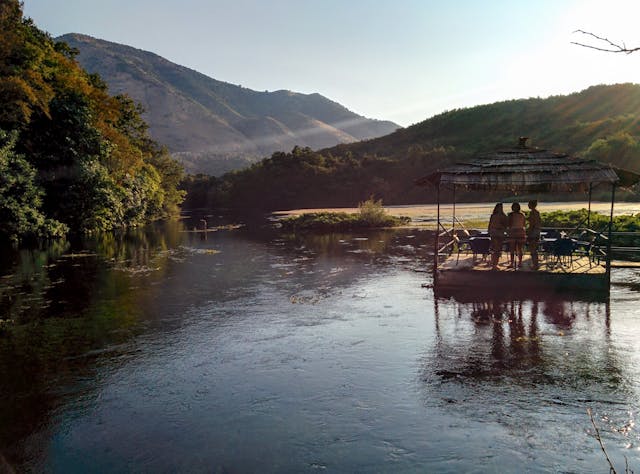
Albania – Europe’s Rising Star for Sustainable and Affordable Escapes
Albania is one of Europe’s most affordable green destinations. Government efforts in renewable energy and rural tourism support a sustainable economy. Travelers enjoy low-cost stays and genuine hospitality across the country.
National parks like Theth and Llogara feature solar-powered homestays and quiet hiking trails. Cheap buses connect towns, while walkable coastal cities such as Vlore and Saranda reduce the need for cars. Small restaurants use local produce to cut emissions and costs.
By supporting farmers and artisans directly, visitors help local growth while saving money. With clean beaches, eco housing, and a growing green network, Albania delivers real value without waste.
Wrap-Up
Affordable travel no longer means cutting corners on ethics. The rise of eco friendly travel destinations proves that sustainability and savings can go hand in hand. By supporting responsible tourism, using efficient transportation, and planning with care, you can explore responsibly without overspending. Small actions—choosing public transport, staying with local hosts, or packing lighter—help preserve the planet for future explorers.